

Picture this. You are at a conference, a partnering meeting, or even just a dinner. You get a few minutes with someone who actually has the power to move things forward. You explain your company, your science, your vision. They smile. They say something encouraging. You follow up a few days later, and the thread quietly goes nowhere.
It is one of the more deflating experiences in biotech. And it happens to people with genuinely good ideas, all the time.
Here is what most people do not realize: the person across the table was not waiting to be impressed. They were listening for something much more specific. And if your pitch did not address it, it did not matter how exciting the science was.
People who close billion-dollar deals for a living think in filters. They are processing everything you say through a quiet, almost unconscious checklist. Once you understand what is on that checklist, the way you pitch changes completely.
The framework is simple. Three questions, in order. Is it real? Does it fit? Can you actually do it?
Is it real?
Before anything else, a deal maker wants to know whether the foundation holds up. Not whether you believe in it. Whether the evidence does.
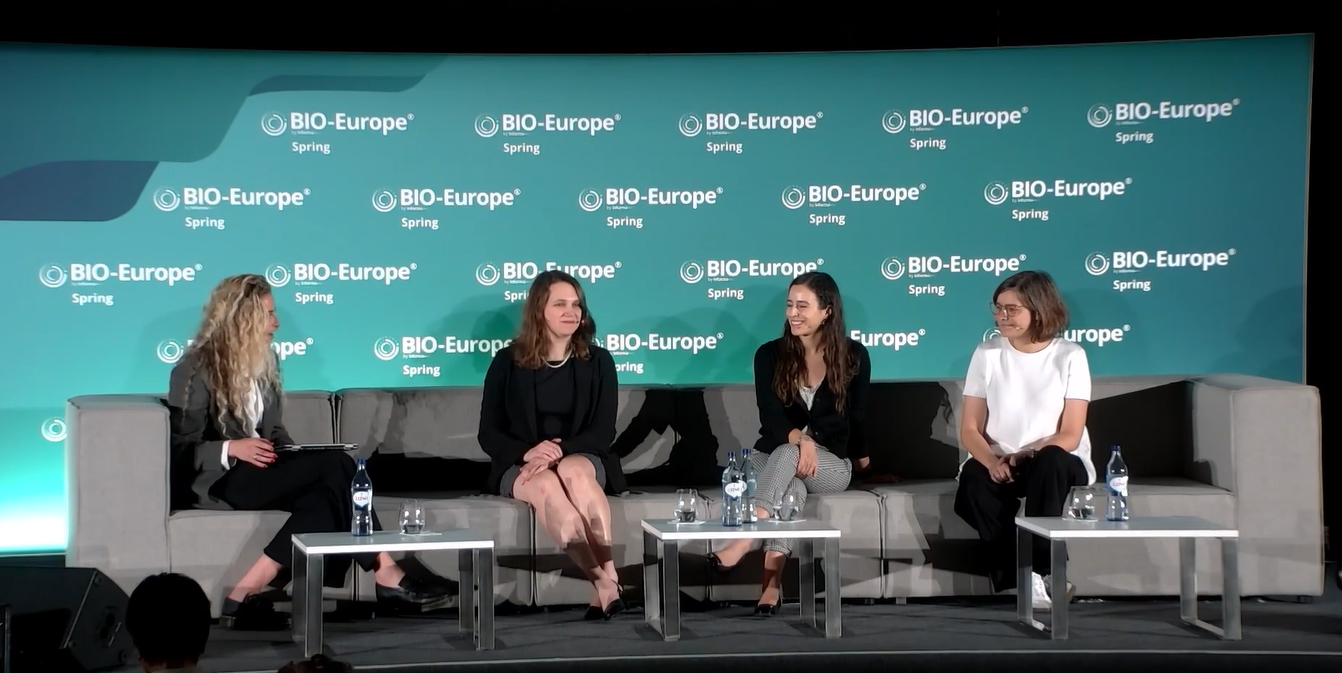
At a recent life sciences panel discussion, an executive from a major global pharmaceutical company described what made a recent multibillion-dollar acquisition compelling. The science was highly validated. Clinical data existed and pointed clearly toward an unmet need. The biology was understood. The case was built on evidence, not excitement.
This does not mean you need Phase 3 data to have a credible conversation. Early-stage programs get funded every day. What it means is that you need to be honest about what you know and what you do not, and lead with the former.
Experienced investors and partners are not put off by uncertainty. They deal with it constantly. What does put them off is someone who cannot tell the difference between what has been demonstrated and what they hope will be true. If your pitch is mostly conviction dressed up as evidence, it will not clear the first filter.
Before your next important conversation, ask yourself: what has actually been shown? Not what you believe the data will look like eventually. What exists right now, and what does it say? Lead with that, clearly and without embellishment. Then acknowledge the open questions. That combination of honesty and precision is what sounds like credibility.
Does it fit?
This is where most pitches quietly die, and it is the most preventable failure of the three.
Deal makers are not generalists shopping for good ideas. They have specific disease areas, portfolio gaps, modality preferences, and strategic priorities that existed long before you walked into the room. When something arrives that does not map to any of that, it does not matter how strong the science is. It is still a pass.
The panelists were explicit about this. One described filtering immediately for strategic alignment before evaluating anything else. Another talked about how the most compelling programs were ones that reinforced what the organization was already building, rather than requiring a complete pivot in a new direction. One executive noted that the best deals feel like they were almost inevitable, like the asset belonged with that company all along.
You cannot manufacture fit that does not exist. But you can do the work beforehand to understand what the person across the table is actually trying to accomplish, and then frame your program in those terms.
This sounds obvious, and almost no one does it well. Most founders walk into a partnering meeting and explain their program from their own point of view: the science, the platform, the vision. What a deal maker needs to hear is why this particular program solves a problem they are already trying to solve. Not “here is what we built” but “here is why this lands in exactly the gap you have.”
That reframing requires you to do real homework before the conversation. What does their pipeline look like? Where are their gaps? What disease areas are they investing in, and which ones are they quietly pulling back from? When you can answer those questions before walking in, fit becomes something you demonstrate rather than something you hope they notice.
Can you actually do it?
This is the question that separates interesting from actionable, and it is the one founders most consistently underestimate.
Every panelist, at some point, returned to execution. Not the idea. The team and the plan. One investor described their strategy as wanting to support companies all the way through to the highest inflection points, which sounds generous until you realize it means they are betting not just on science but on whether the people and the plan can get there. Another participant described the most dangerous situation in the current market as a company that has raised substantial capital but does not have a realistic path to the next meaningful milestone.
When you are asking someone to commit, their attention, their capital, their partnership, the last thing they are evaluating is whether you can pull it off. And the way you demonstrate that is through specificity.
Vague timelines are a red flag. Gesturing toward future data without being able to describe the path to get there is a red flag. Talking about the program in general terms when someone is trying to understand the operational reality is a red flag.
What works is the opposite: concrete milestones, clear timelines, and an honest account of what you need to get there. Not “we expect to have a Phase 2 readout in the next couple of years” but “we have a Phase 2 data read expected in the third quarter of next year, and we need X to get there.” That level of specificity is not just informative. It is a signal that you have thought through the execution, that you know your program, and that you are the kind of team that can be trusted with a check.
What it looks like when it works
Imagine you have a twenty-minute partnering meeting. You spent the first ten minutes walking through your deck slide by slide. You covered the platform, the mechanism, the competitive landscape, the team. You answered their questions. You thought it went pretty well.
Now imagine you walked in knowing exactly what they are building and where the gaps are. You spent the first five minutes anchoring on the evidence, specifically and honestly. You spent the next five connecting your program to their portfolio in terms they would have used themselves. You spent the last ten talking about the clinical plan, the key inflection points, and what you need to get there.
Same program. Completely different conversation.
The deal makers on that panel were not waiting for the most exciting science in the room. There is no shortage of exciting science. They were waiting for the program that cleared all three filters without leaving them with a reason to hesitate.
Real, fit, do. Three questions. One clear framework. If you can answer all three before the meeting ends, you are having the kind of conversation that actually leads somewhere.


Leave a Reply