

Chapter 2
Dealmaking Is About Fewer, Stronger Choices
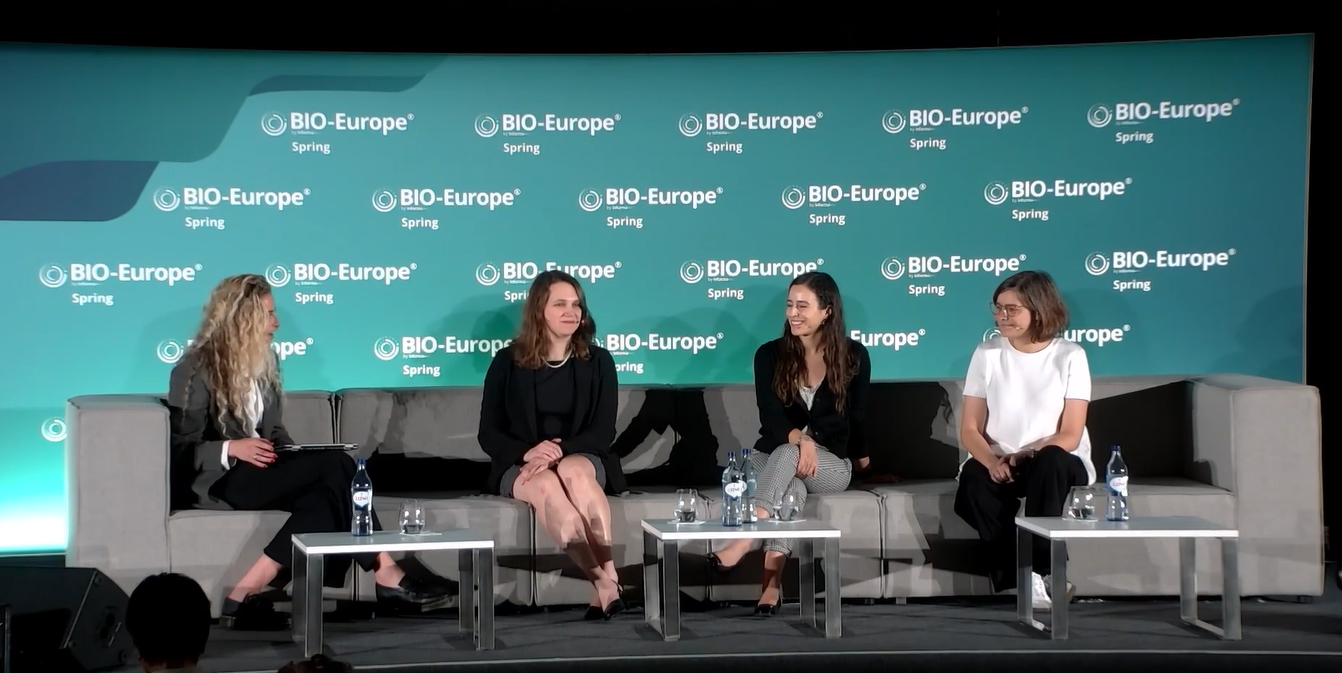
What stood out to me in the Dealmakers’ Intentions 2026 panel at Biotech Showcase during JPM Week is that dealmaking doesn’t feel busy anymore. It feels careful. It feels like fewer companies are being chosen, but when one is chosen, the commitment behind it is much stronger. Instead of many small conversations, there are fewer conversations that carry real weight.
Someone said, “The market is smaller, but the stakes are higher,” and that describes it perfectly. It doesn’t mean less interest in biotech. It means decisions are being made more seriously. People are choosing who they believe in more carefully.
You can see this in how conversations start. Before, a company could walk in with a promising idea and build momentum from there. Now, companies are expected to walk in already prepared. The basics must already be solid. The science, the development plan, and the business story all need to make sense together.
Think about two companies with equally exciting science.
One explains their discovery well, but struggles to explain how it becomes a real product.
The other explains the discovery and also shows a clear path to clinical trials, approval, and market use.
Both are interesting. Only one feels ready.
That difference is now everything.
Fit Is About Seeing the Same Future
Many deals slow down today not because the science is weak, but because people see different futures in the same data. One side might see fast progress. The other might see risk that needs time. Both are reasonable. The problem starts when those views don’t match.
That’s why fit matters so much. Fit now means agreeing on what the data actually leads to. How fast things can move. How risky the path is. What kind of company is needed to make it work. Excitement opens the door, but shared understanding keeps it open.
This also explains why some areas of medicine feel more active than others. In areas like cancer or heart disease, there is a lot of attention and competition. In areas like women’s health or digestive diseases, progress can feel slower, even if the science is strong. It’s not about quality. It’s about where urgency and capital are concentrated.
The same applies to genetic medicine. Gene therapy, CAR-T, and mRNA still attract interest, but now people want to see how these ideas turn into real treatments. How they will be made? How they will be approved? How patients will access them? Innovation alone isn’t enough anymore. It has to feel workable.
Timing Turns Strategy Into Reality
What became clear is that timing now shapes decisions just as much as the science itself. Two companies can have equally strong assets, but if one is facing competitive pressure, a funding deadline, or a narrowing market window, its value is perceived very differently. The asset hasn’t changed. The urgency around it has.
This is why pricing feels different now. It reflects how much time there is to act. When timelines compress, decisions accelerate. When windows narrow, commitment strengthens. Value becomes tied to urgency, not just quality.
That’s what sits behind the line:
“Deals aren’t expensive because assets are perfect. They’re expensive because time is running out.”
It explains why similar programs can receive very different offers and why some deals move quickly while others unfold slowly.
Closing
Dealmaking moves forward when preparation is visible and expectations are aligned. The strongest conversations are the ones where both sides can see the same future and understand what it will take to get there. That clarity is what turns interest into commitment and discussion into action.
As you read, ask yourself what makes an idea feel real. What makes you trust it. What makes you believe it can move forward. This chapter is about noticing that moment when possibility becomes something you would stand behind.
If you haven’t already, make sure to read Chapter 1 to understand the pressure that shapes everything discussed here.


Leave a Reply